
Here, every voice counts.
Here, talent grows together.
Since 1981, we have been creating musical theater that inspires, challenges, and unites children and young people. Original works, a genuine sense of community, and professional standards make every production a unique experience—both on stage and beyond.
Musical Theater with Children and Youth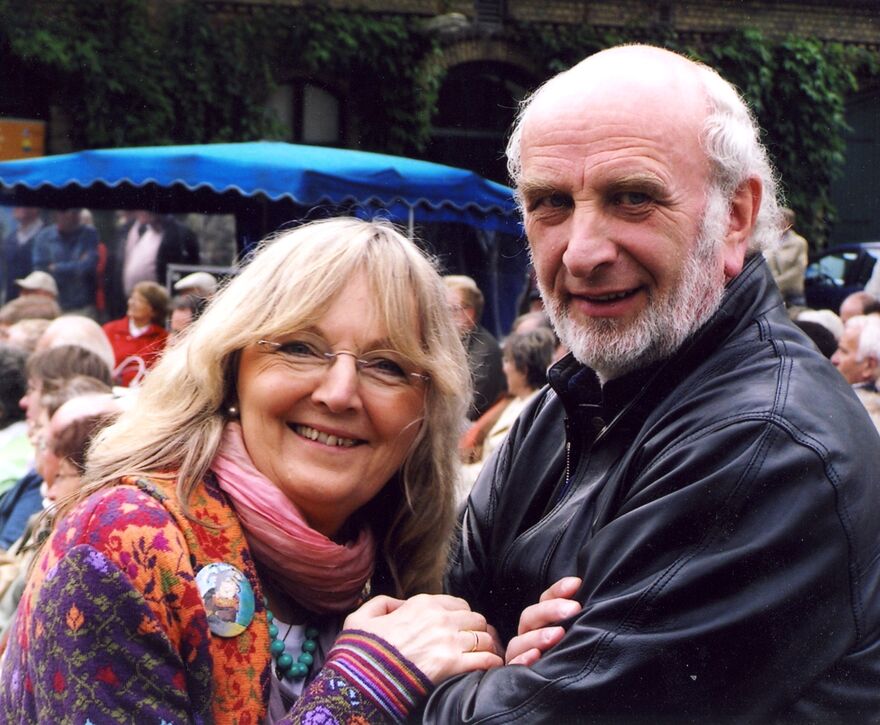
Sophisticated Musical Theater with Children and Adolescents
Musical Theater Since 1981
From its inception in 1981 to the present day, our entire musical theater work has taken place exclusively within the framework of our activities at the "School of Music in the Warendorf District" (formerly: "Beckum-Warendorf Music School")—based on Veronika's choirs.
Work Without Age Limits
This invariably entails working without age restrictions—much like in a general education school. Many children join the choir at the age of four and remain until the end of their schooling. Nowadays, however, many continue to participate even beyond that period—during their university studies and the early stages of their professional careers—resulting in an even broader age range. Consequently, our repertoire—with the exception of a few pieces designed exclusively for primary school-aged children—is always inter-school and intergenerational in nature.
The Choir at the Center
The second consequence is that the choirs always take center stage. No one appears on stage who is not a member of the chorus. Solo roles are not cast through auditions; rather, they emerge organically from the work of the choir. Standard practice involves a combination of continuous choral work and additional project-based work—comprising both group and solo sessions—with the level of intensity varying depending on the specific role. Everyone is, at all times, a „soloist."
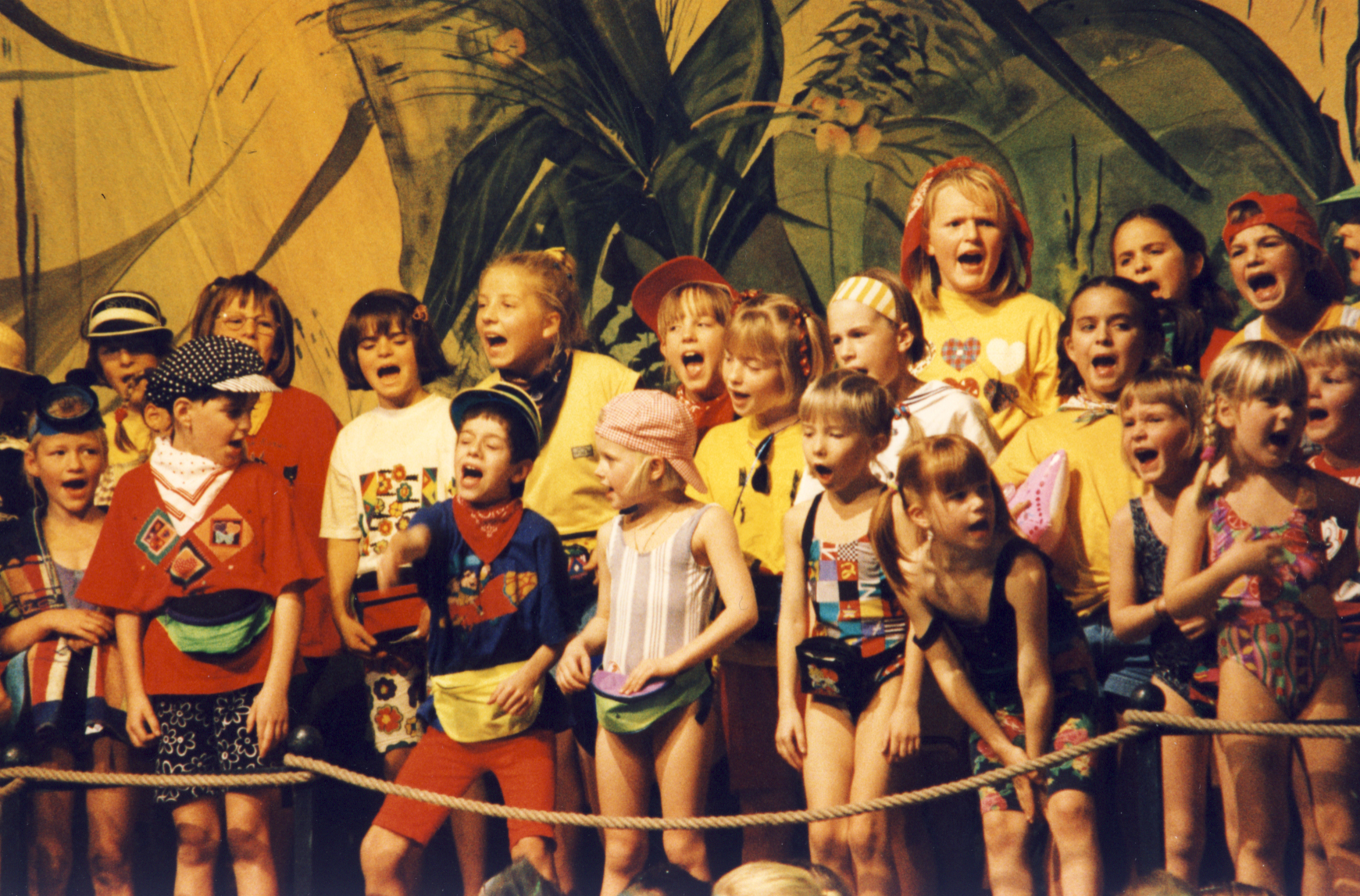
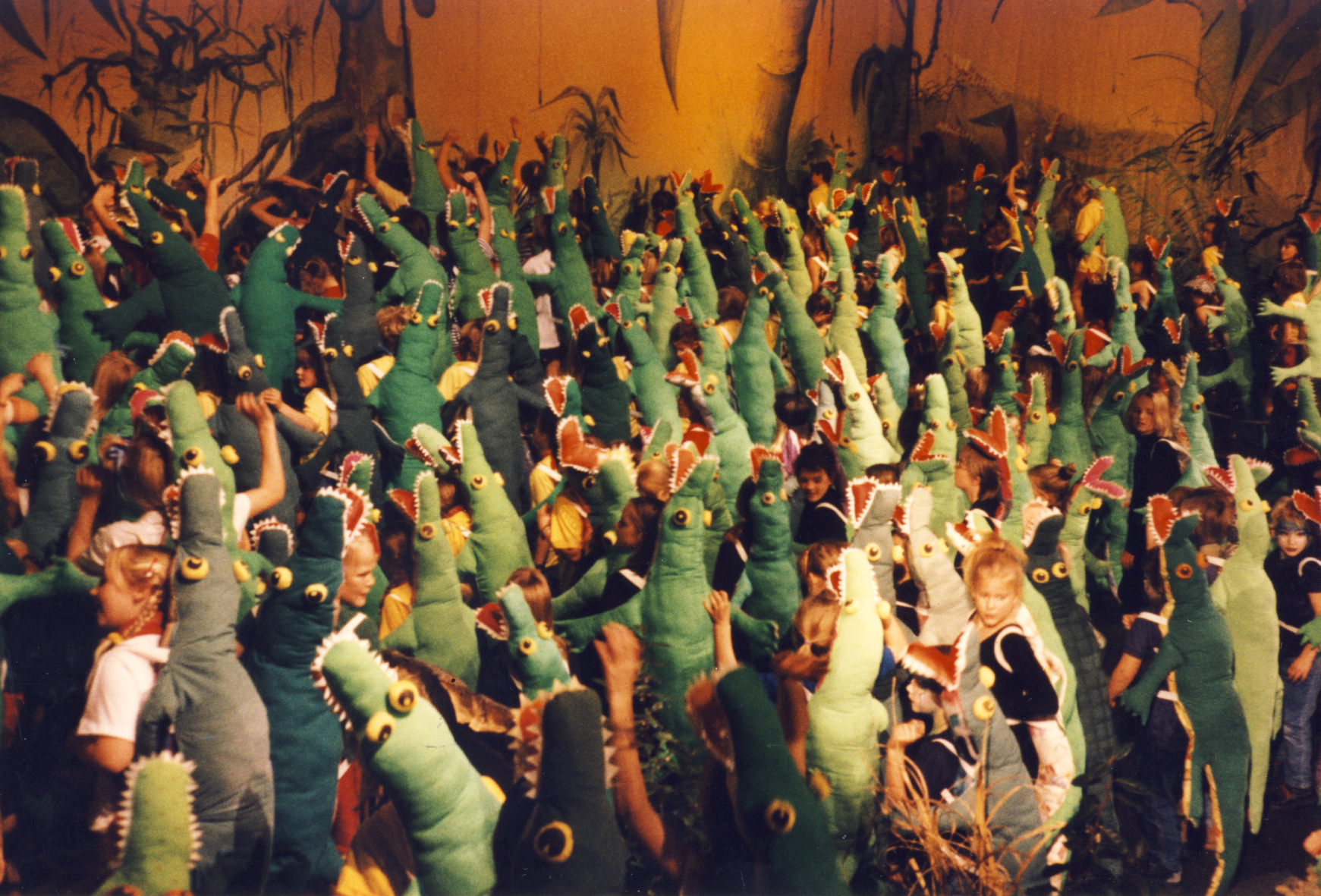
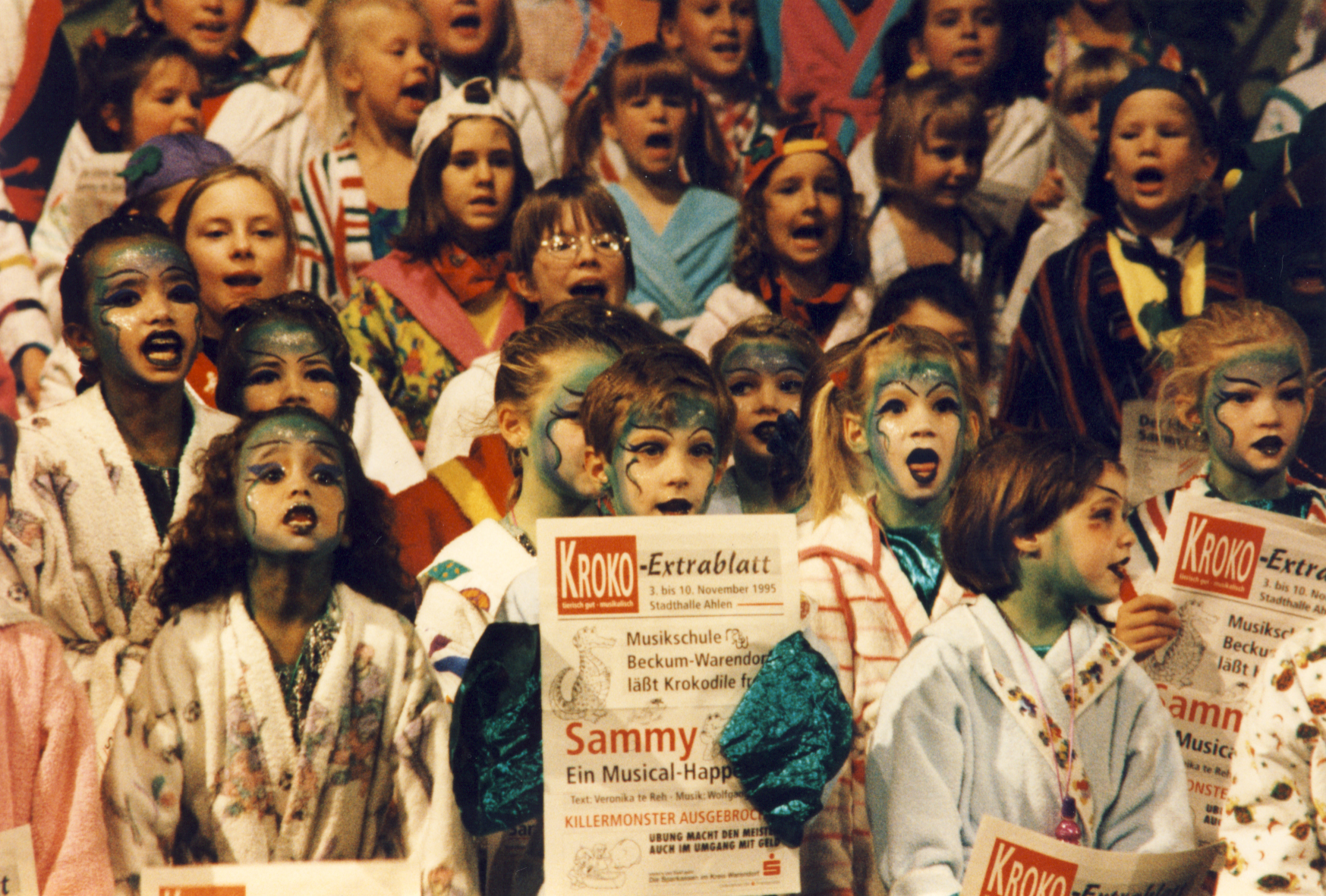
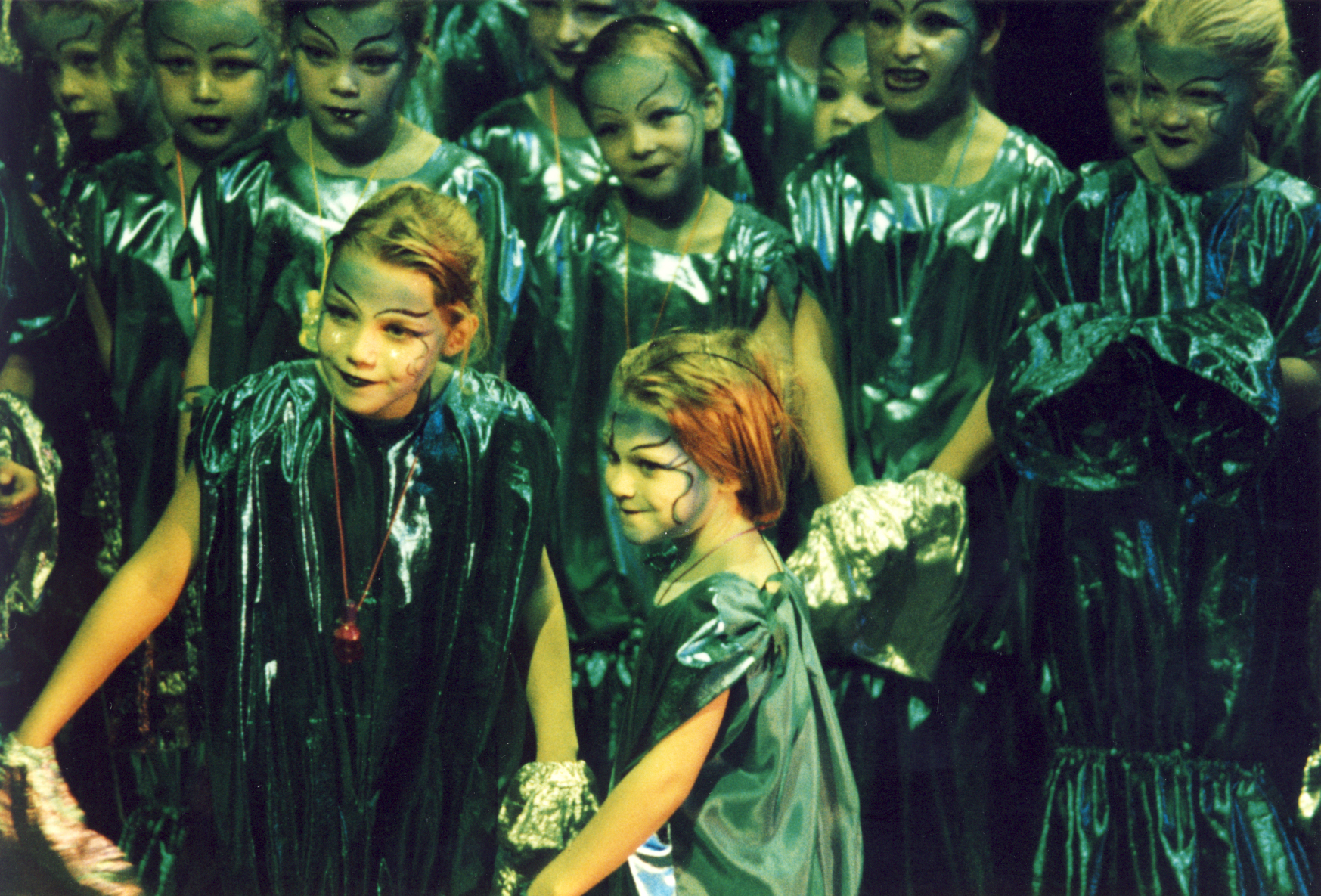
Original Works – For Over 40 Years
Ultimately, this led to our writing our own pieces—works in which we could take all these factors into optimal account. We have maintained this approach to this very day. With the exception of our very first piece—Hans Werner Henze’s *Pollicino*—and the music for Humperdinck’s opera *Hänsel und Gretel* (which I merely arranged), we have written all our works ourselves for well over forty years now; and this should not be viewed as a necessary evil, for the entire process has, of course, been great fun for us.
Educational Objective
In terms of subject matter, our educational objective consistently shines through: to help children develop into strong personalities (through fairy tales!), to highlight the power of music, and to familiarize students with music that is previously unknown or less familiar to them (both ethnologically and historically).
High Rehearsal Standards
Adjusting the level of difficulty, however, simultaneously entails refusing to tolerate any interpretive sloppiness born of complacency, and rehearsing sufficiently to ensure that everyone feels secure on stage. Only then does the power we seek truly emerge. Consequently, our preparation period almost invariably spans one year. This also allows for the individual development of each participant to be clearly observed.
Professional Support
One advantage of working at a large music school is the availability of high-caliber instrumentalists. This is a crucial factor in achieving our goal: providing children and young people with a stage environment that is as professional as possible. In our view, it is simply unacceptable—after a year of diligent practice—to have an orchestra featuring poorly prepared, imprecise string players and squeaking wind players who drag down the overall standard.
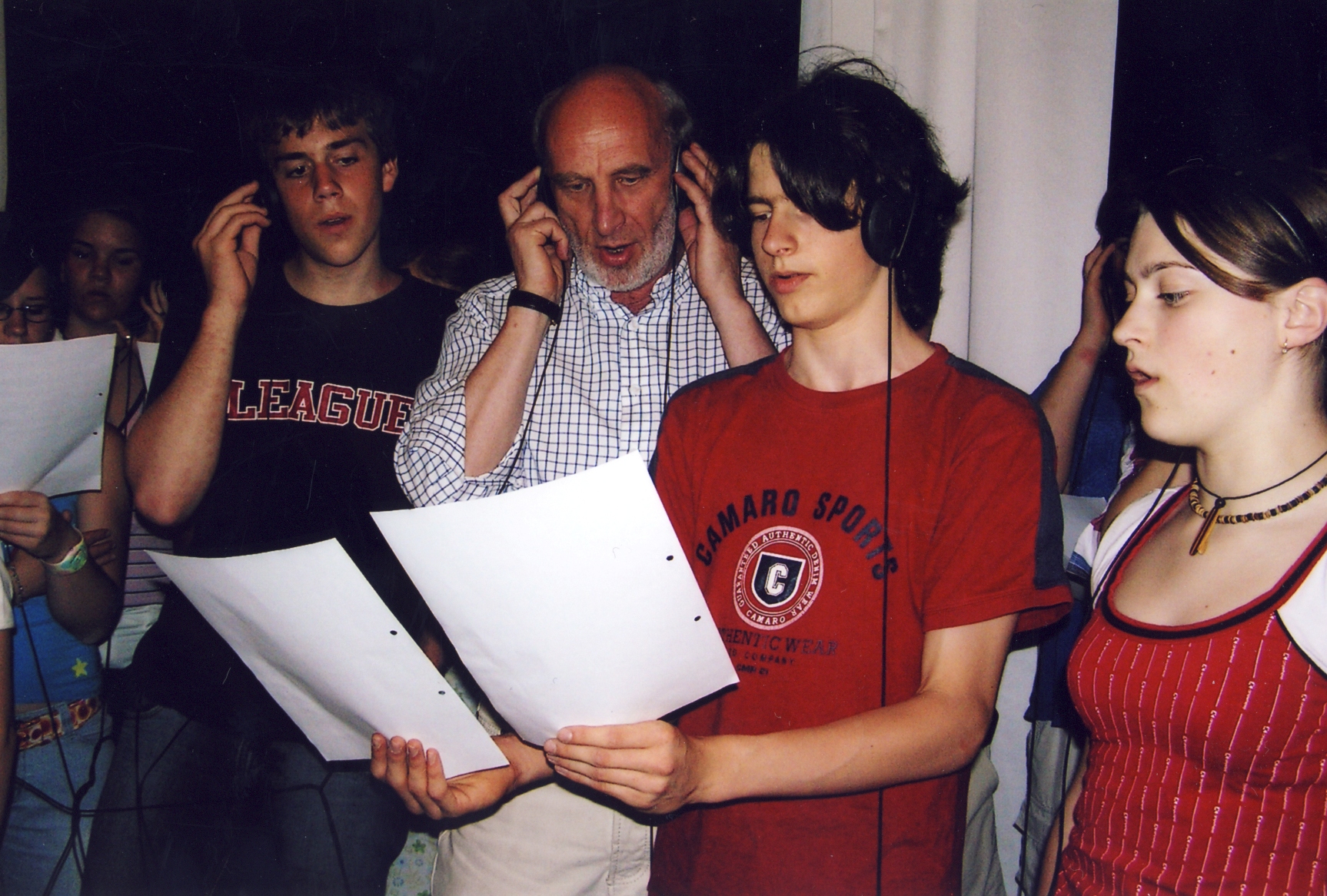
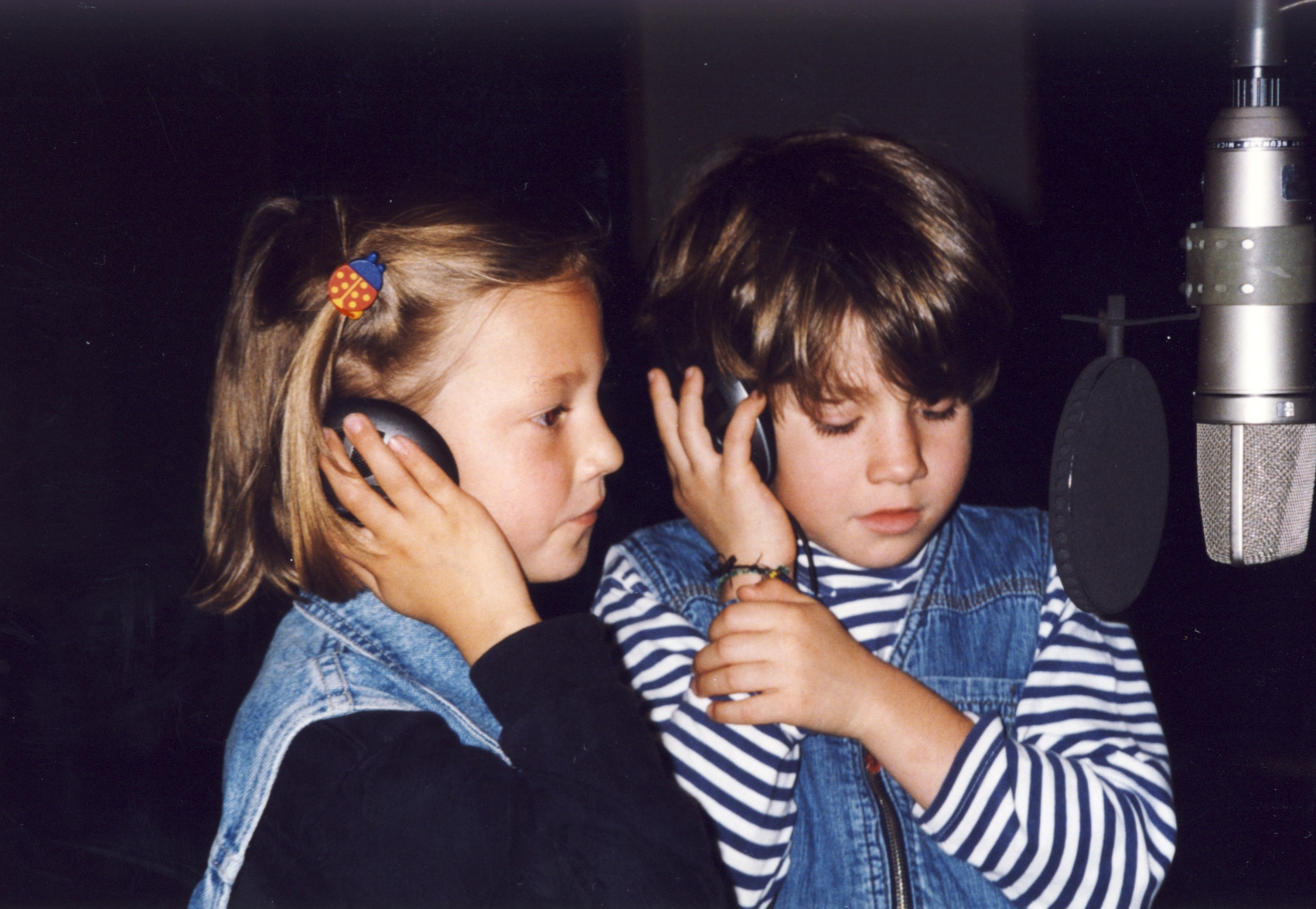
Quality Through Media Presence
This philosophy of ours has resulted in a level of quality such that a number of broadcasters took an interest in our work right from the start, leading to our participation in numerous recordings. Television productions subsequently introduced a new dimension of professionalism in the visual realm—specifically regarding set design, costumes, and makeup.
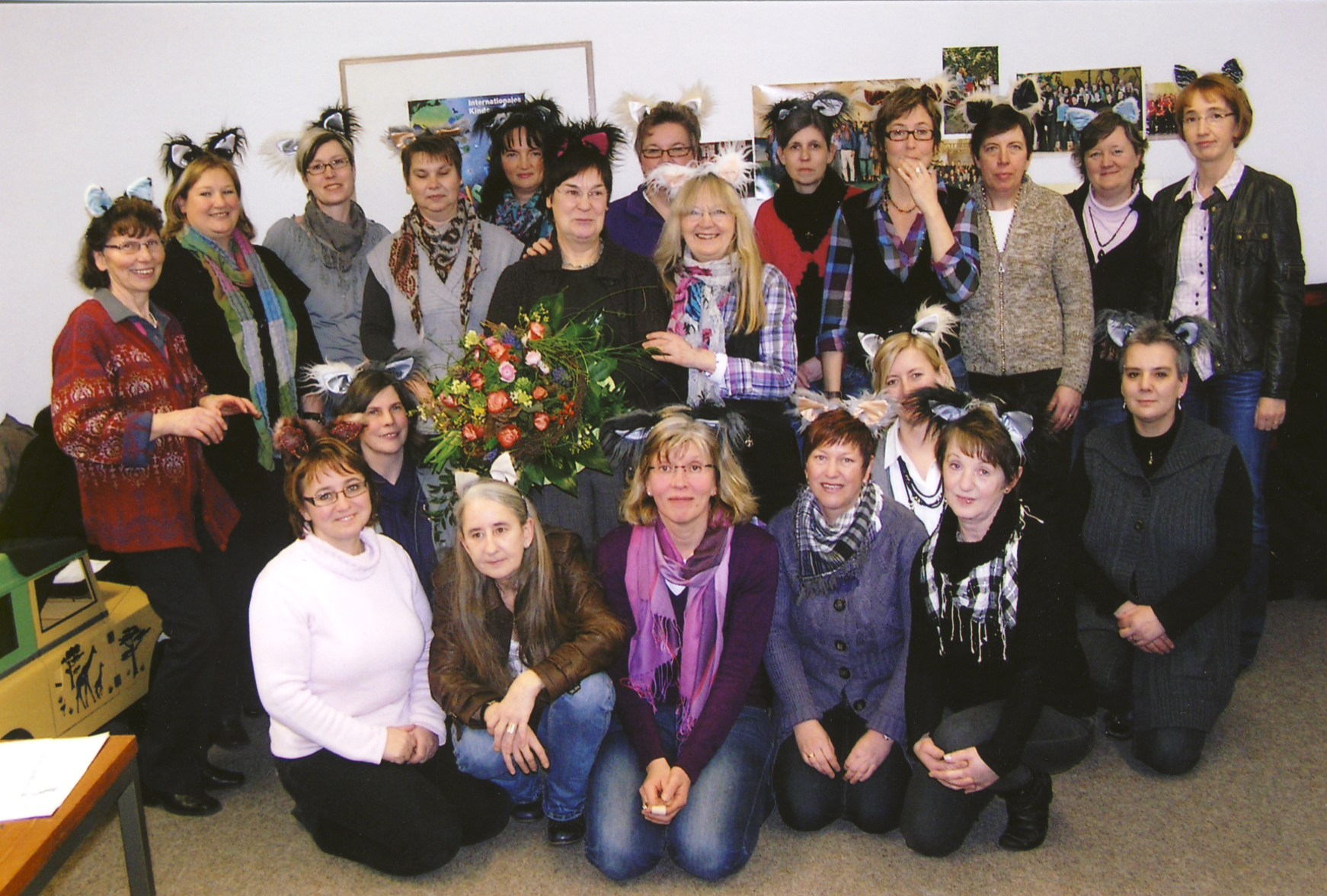
A Large Family
Since one never wants to give up a standard once achieved, a large family has developed among us—one through which we strive to provide children and adolescents with an environment that is as professional as possible.
Set Design and Technical Production
To this day, the stage sets continue to be developed and produced by the very artists we first met during our recording sessions at SWF in Baden-Baden: Lucie Wegmann and Daniel Moriz Lehr handle the majority of the designs, while Felix Manchon and Andrea Lomsche-Manchon oversee the construction and contribute additional designs.
For the past 40 years, Andreas Burghardt—with whom we also produced all of our music in the studio—has been at the mixing console during our live performances.
Professional instrumental backing tracks are available for all of our pieces; these serve as a reliable resource whenever live performances are not feasible—whether due to a lack of suitable instrumentalists or necessary funding, or when a director is working solo and unable to delegate the highly complex workload.
International Projects
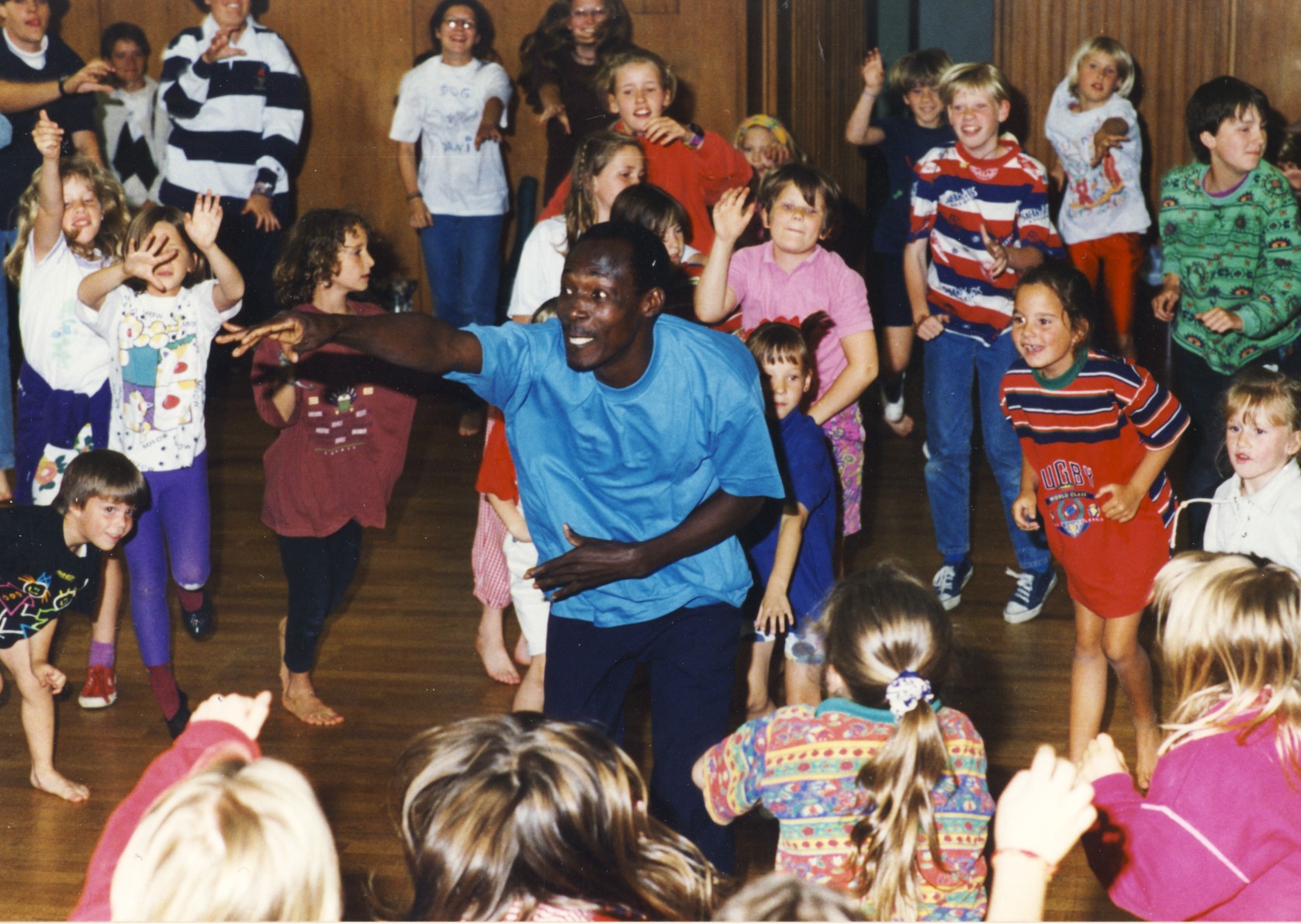
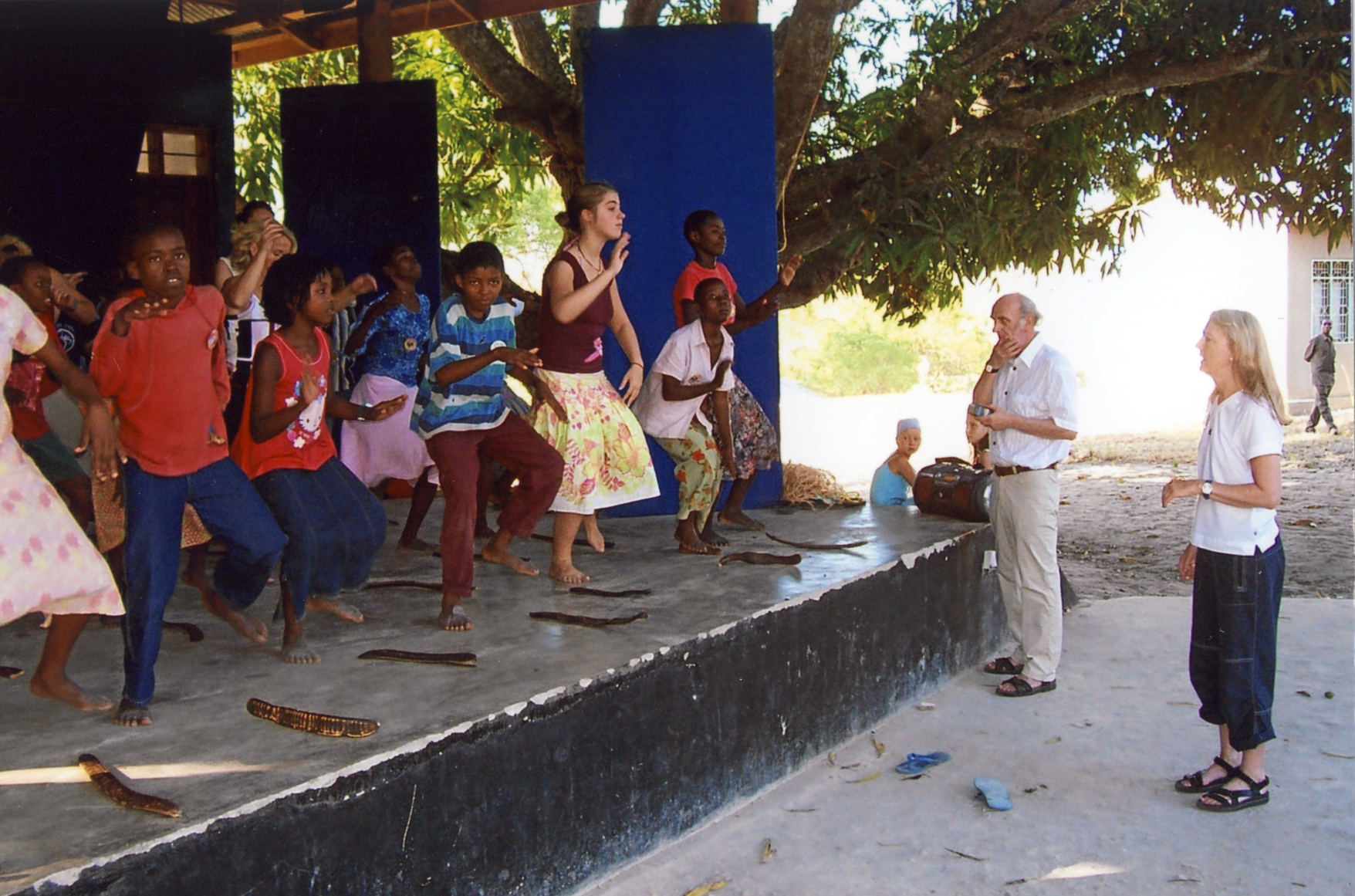
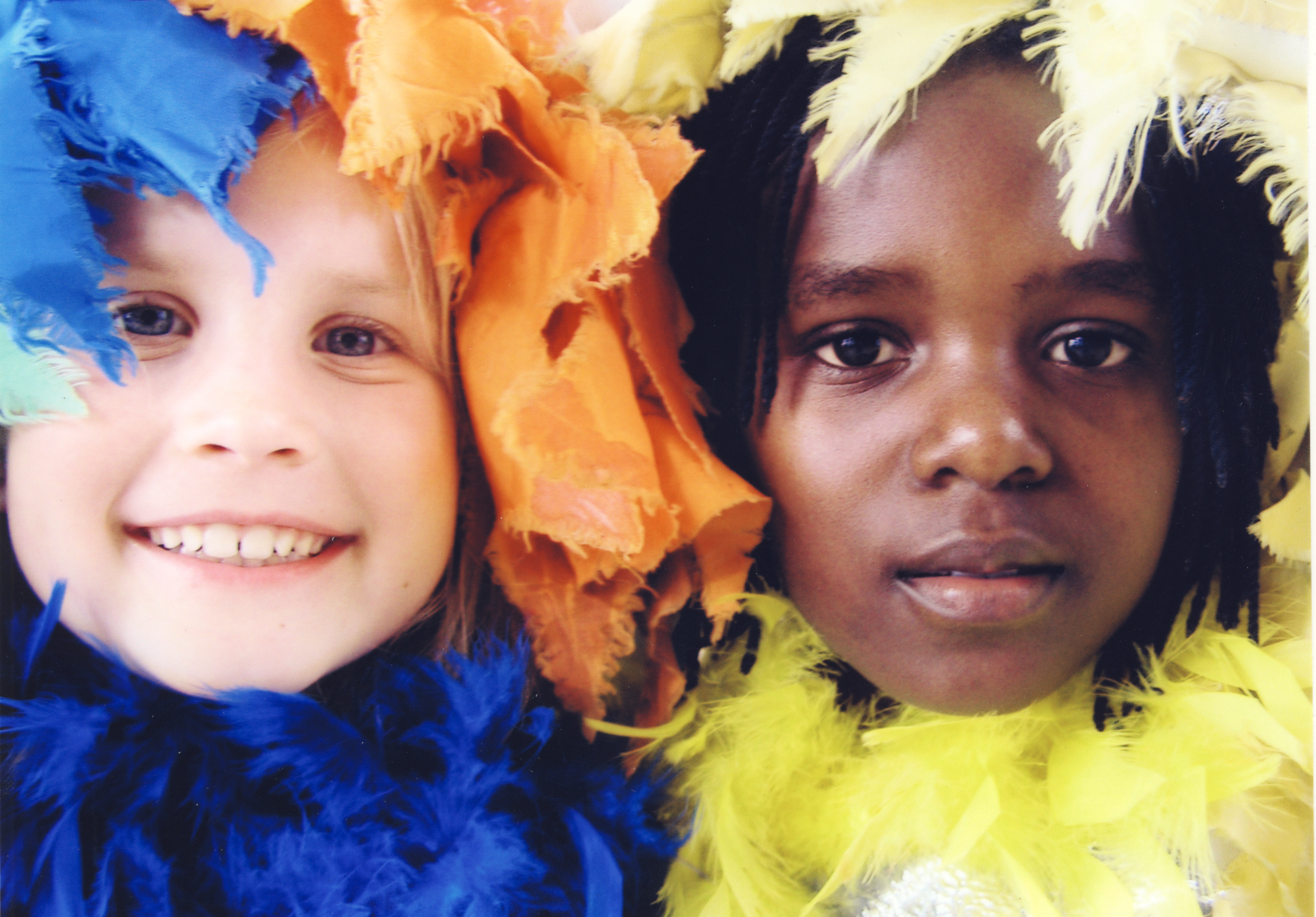
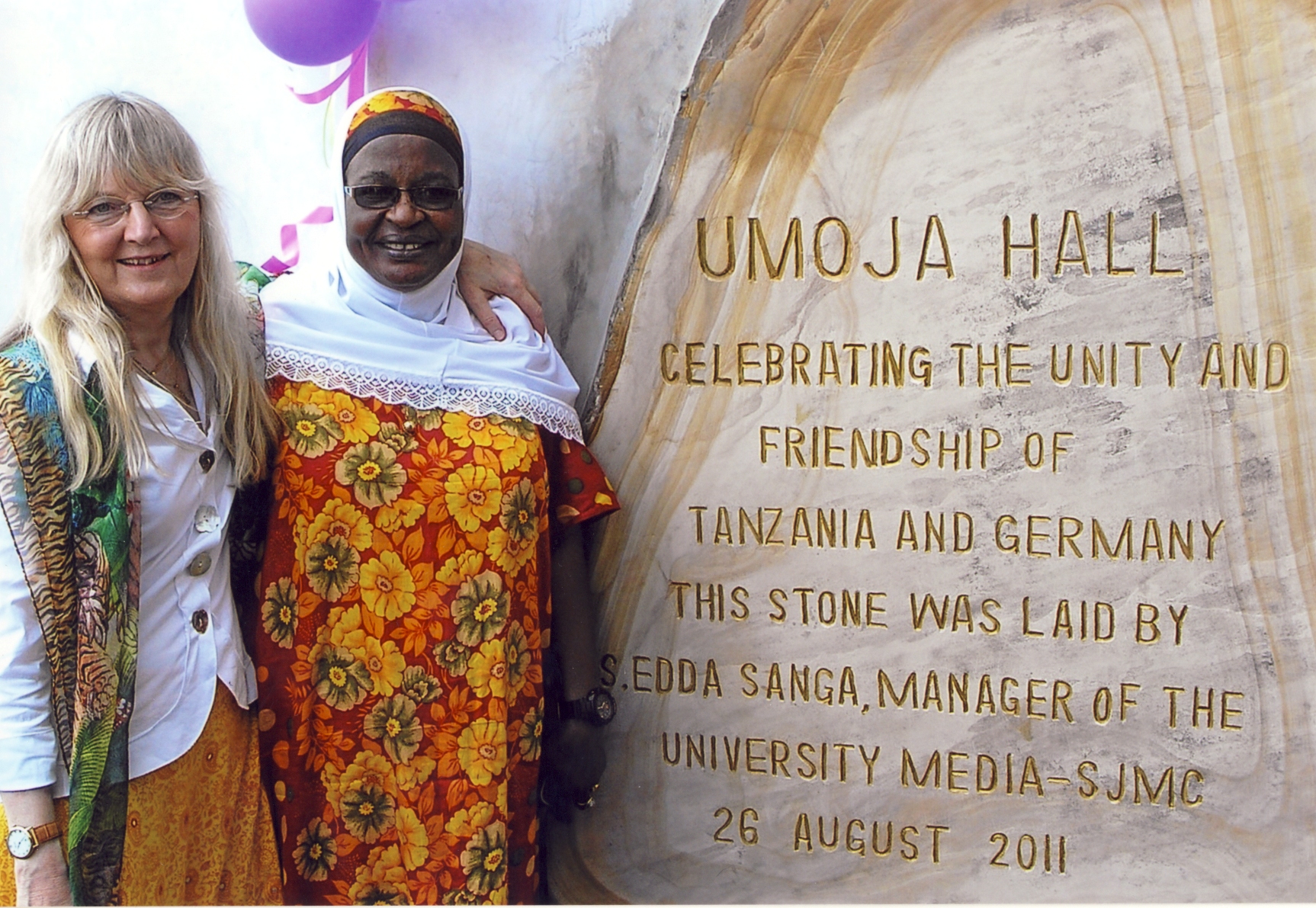
In addition to pieces for our youngest members, we also have a category featuring international works. Since 1992, we have maintained regular contact with a Tanzanian music group. This has resulted in joint musical productions ("Mtoto Boga" and "The Clever Mama Sambona"), which we have performed with our choir in Bagamoyo, Tanzania, and with Tanzanian children here at our school. Many songs have also been written in connection with these collaborations.
For one production, we invited children from Bali to participate ("Magic Drum"), and a multi-year partnership with a music school in Mumbai led to another production featuring Indian children ("The Sound of the Pearl“).
Musical Diversity
As far as musical style is concerned, we strive to tailor it to the specific subject matter, though our fondness for Renaissance and early Baroque music invariably shines through.